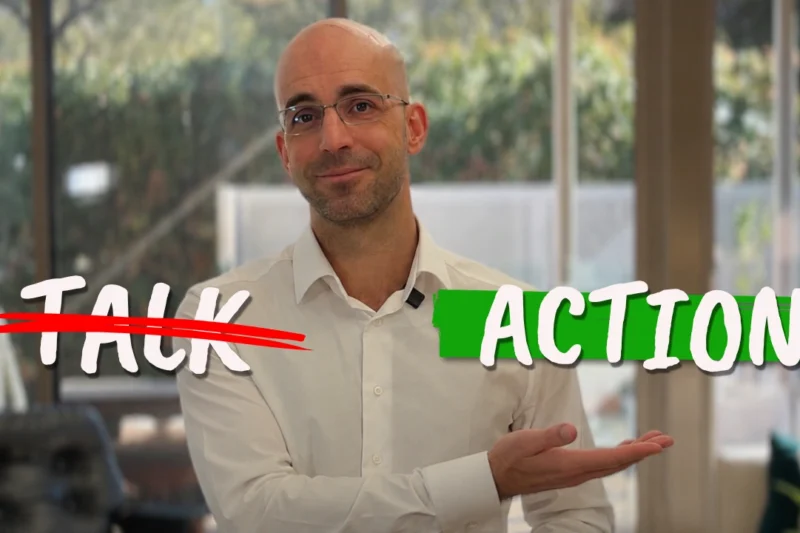
“We know we need to, but…”
It sure is a broad statement, and this past year ‘we need to’ for my clients has ranged from getting partners aligned, agreeing to standards and enforcing them, gaining significantly better credit terms, walking away from investors who didn’t share values, admitting a son wasn’t ready to take over, getting honest with a father, walking away from some serious revenue for the sake of sanity… the list goes on.
The ‘but’ in all this is the amount of friction that stopped these smart, hard-working people from doing what was necessary, sometimes for years, and in most cases, we got through it in two half days with some diligent research and reflection in between.
The main cause of this friction is the ‘human doing’ rather than the ‘human being’ approach.
Every business owner I’ve worked with already has talented, reliable subject-matter experts around them, and they’ve got folders full of procedures, presentations, cash flows, and outdated strategy documents.
More recently, I’m even receiving extremely detailed 20+ page Claude outputs that will substantiate just about anything – the methodology isn’t the problem – leaders have more than they can read.
These are useful for painting the ‘where are we’ picture; though a layer deeper, ‘why are we here’ is a better question, and taking the time to sit and listen enables both a pause and an opportunity to align the people these major choices will impact.
And let’s face it, if you own the place, you can make whatever you want a priority, and move money around to fund whatever you like, so the idea that ‘it isn’t in the budget’ is rarely a real reason for you, though a great stick to use on subordinates when you don’t want them to change direction at a moment’s notice.
This is a powerful thing to reckon with, because it means if you choose to prioritise things you say you need to do, time (focus) and resources (money) are excellent ways to eliminate the friction that’s getting in your way!
And with focused time, you can achieve genuinely graceful outcomes that are owned by those in the room; those speaking realise they share common ground because they get honest about things that may have been unspoken for years, and sometimes decades – it’s freeing.
These are four questions I put to a family recently;
- Do we want to grow (or sell)
- Who is best to lead that?
- Do they have the skills to meet the challenges of today’s environment?
- If not, should we support them with external talent?
Useful, in context, though the real value is eliminating the friction of ‘but’.
Q. What’s it going to take for you to stop knowing what you need and start doing?