Category: Resources

  • “Over 58 years in business, I’ve seen 8 recessions; be optimistic”

    “Over 58 years in business, I’ve seen 8 recessions; be optimistic”

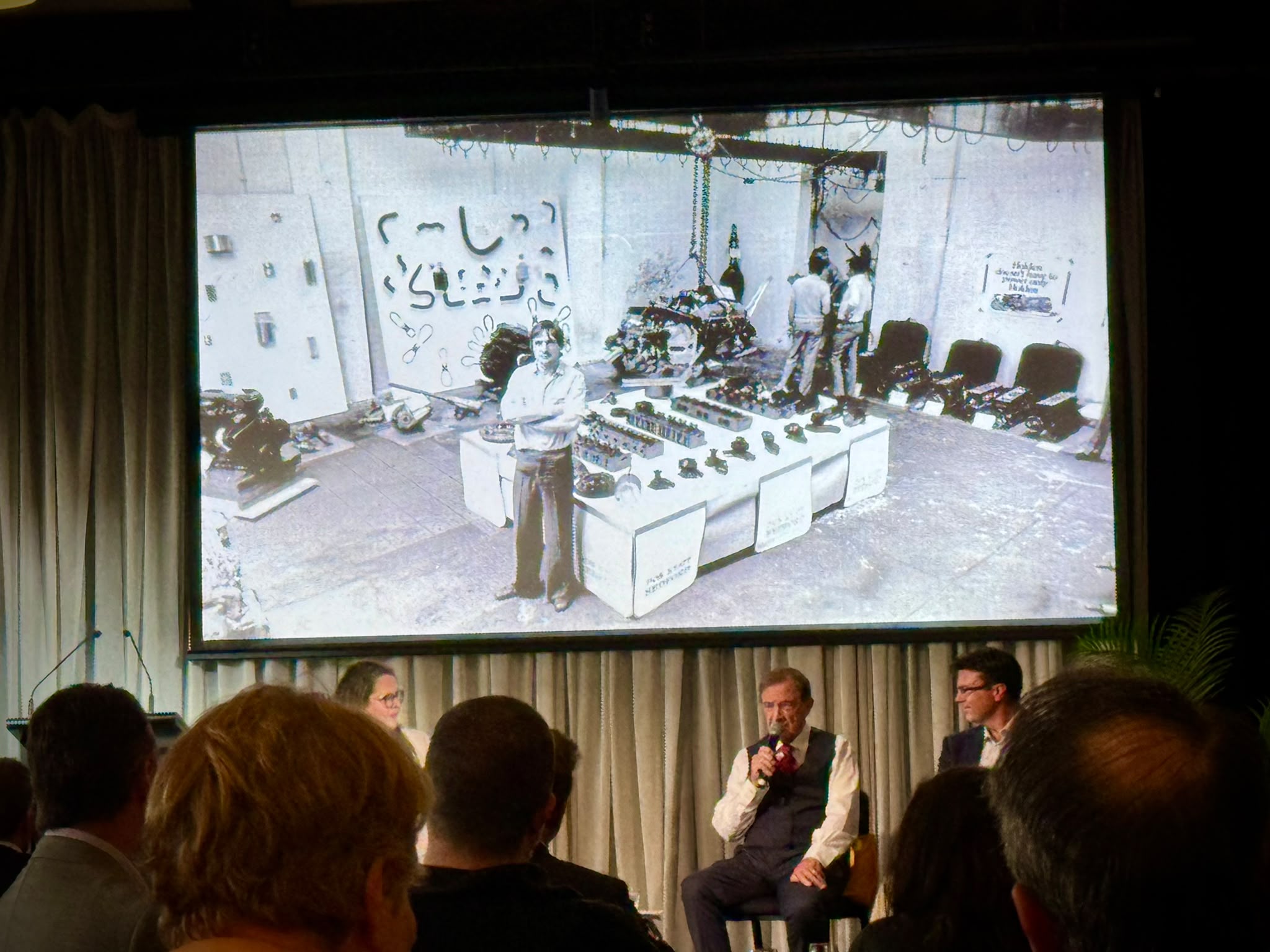
    The true stories are the best ones, like Frank Hutchinson at 19 (pictured above with his son Brent Hutchinson, now CEO), naming the business after his older business partner in the startup – Don Kyatt – so he would be taken more seriously, and going into the spare parts business with $300.

    Now they are in many places, and you sure learn a few things along the way.

    The biggest learning? Be optimistic.

    We heard it time and again from the founders and 2nd gen of the businesses.

    From cornerstones of Greek Hospitality in Melbourne such as Nikos Cakes and the Vanilla Lounge, to Legacy and Established Family Business Award winners Penrite Oil and ABBE Group.


    A few other things that stood out to me

    When considering modernisation of processes, people and systems, ask;

    Q. What is missing in the business to assist us?

    “Our company has teenagers to 92-year-olds; it’s not about age, it’s about attitude”

    Q. When hiring, do you hire for heart? Or skills?

    Evidently, heart is what matters. People can be taught anything.


    We’re the most over-informed and under-reflective people in the history of civilisation

    Quite the pivot from optimism, hey? I went home after hearing Jehan Casinader’s closing session and was pretty incensed about the amount of time I’ve wasted on ‘angertainment’ and being the product.

    For more than a decade I’ve laughed along as friends said ‘Well, if you’re on Facebook (or Instagram, or Linkedin) and it’s free – that means you’re the product’ – and sure enough, my attention is what they make money on.

    Quite a bit, in fact: Meta’s Q2 Revenue for 2026 was $60.801 billion (up 28% year-over-year), with a Net Income of $15.848 billion.

    And LinkedIn pulled in around $19.8 billion last fiscal year, which, given the state of the newsfeed and algorithm, I find even more infuriating when it’s $ 70+/month for a premium subscription.

    I’m not here to lament blatant capitalism though, no no, I’m here to take about my own wasted life, and perhaps yours!

    Jehan asked several pertinent things;

    Q. Did anyone teach you how to pay attention?

    Q. Do I want to be informed, or outraged?

    Because honestly, I don’t need to know about a factory worker strike in the USA, a random chemical spill in Eurasia, the long odds on an election candidate or what news reporters think of someone being blasted on twitter.. it’s all trash.

    Not even researched, fact-based journalism; that’s expensive. In most cases, it’s cheap opinion.

    And then there are things I could be really upset about but still can’t control, like fuel prices, weather events, overseas conflict, who’s in government, and the inflation rate.

    In some respects, I’ve been holding the line by never having notifications on my phone, trying to stay off social media until after 2pm, never having TV news on (or even a TV for twenty years; I’m a pure YouTuber).

    Though the rub, and what I came home quite incensed about, is that I’ve dressed up handing my attention over to Meta and the like, by wanting to be, and feeling like I am, “informed”.

    The day after the conference, I was in a lift to visit a colleague, and bam, there it was, screaming at me: fear, distraction, from the RED colour to the NEW DEVELOPMENT tagline and the world-in-flames ticker tape at the bottom, compounding the interruption.

    Surely if I know more, and can see the patterns, I’m a better citizen/business person/agent of change yada yada.

    Nah… turns out, when I want to know something, I go to credible sources, ask good questions and get relevant, contextual answers.

    The rest of it?

    The ‘Breaking news’, ‘What you need to know about’, ‘You’re doing … thing .. wrong’?

    That’s all inanity and noise, wasting my time, my one and only precious life, distracting me and destabilising my joie de vivre.

    It’s irrelevant to the quality of my relationship with my wife, my business outcomes, how I care for myself, my social engagements and what I do with my friends.


    Your Sphere of Influence

    Jehan put it to us beautifully to wrap up the conference;

    And wouldn’t you know it, yesterday I had Zoom sessions with two members of a client’s executive leadership team as we work on their strategy for 2027, and the things that matter in the business are the things within our sphere of influence.

    The other stuff is noise.

    Q. How much time are you spending on things in your sphere of influence?

    Q. How much time are you spending being side-tracked on things outside of it?

  • Smashing Bluestone by Day & Blue Bloods by Night

    Smashing Bluestone by Day & Blue Bloods by Night

    I spent Thursday with International Fund Managers, Friday with the Australian Institute of Company Directors, Tuesday with Militant Unionists, and Wednesday with the Melbourne Business Society. Everyone’s got a problem.


    “Never have a coffee with the bosses”

    “Killing Police Officers is a good thing for Democracy”

    “The bosses must fear us”

    Wait, what are we talking about??

    Apparently, the organisers of the room I found myself in didn’t want any video recording of the night, so they could “control the narrative they release at a time when there is a lot of negative focus on the union movement”.

    The flyers on the seats said the only way for militant unions to survive was to fight, which seemed like a circular argument, and what did this have to do with the Eureka Stockade?

    The Facebook advert I’d responded to was: “Join us to hear speakers discuss The Eureka Stockade & Why It Matters Today, with Q&A, light food and drinks.” – and not to play dumb, I knew it was at a Union headquarters, though that’s why I went – I’m genuinely interested in how our society works and what we can collectively create together.

    I didn’t expect the youngest person in the room to lead a standing recital of a pledge on the wall, everyone to be called Brother and Comrade, or to find myself in the front few rows of a packed room whilst many on their feet were cheering to be “the fist of the workers”.

    If you’ve seen Oppenheimer, when everyone goes from celebratory to feral as they discuss the successful bombing of Japan, it felt a bit like that; a guy standing near me was clapping so hard at the closing call for violent action he briefly frothed at the mouth.

    Oppenheimer Applause

    As it turns out, the guy closing the night had form.

    He’d been expelled from his union twenty-odd years ago on internal charges that included bullying and sexual misconduct, and done jail time for violent business incursions.

    And it was the perfect logical trap: “The Government won’t save us, the Bosses don’t care, we’re the only ones who can fight against the cost of living crisis”.

    The trouble is, that’s stupid – or at least wilfully ignorant for the purposes of rallying a base – regulators set policy, businesses are the structural economy, and everyone’s got a family.

    Sure, ‘us vs them’ is great when you want to rile up a mob, though calling for violence and destruction, particularly on large projects when public money is on the line, is implicitly attacking the ‘us’ – because it’s all our money.


    10 Days Earlier at the Big End

    The Chair of BlueScope was on stage, near on threatening the imminent failure of our nation if we pursue further climate-focused transition to renewables, rather than extending the life of coal plants and ensuring adequate gas supply for people like BlueScope.

    This was happening at the Australian Institute of Company Directors Climate and Governance Forum – I thought I’d walked into the wrong conference.

    Particularly when I had the top-voted comment in the Q&A section that the host chose to bypass;

    “… You told us “We cannot commit to technology that doesn’t exist” – isn’t Fortescue Real Zero 2030 evidence we can? If we truly understand climate science, shouldn’t we aim for real zero, not net?

    There was even a nod to Chevron’s Gorgon Carbon Capture and Storage project.

    Apparently it’s not “going as well as people hoped” – meaning it stores a quarter of what it was built to catch.

    Unless it’s a tax dodge, then it’s doing great.

    They spent $3BN on it, can deduct it all against what they might pay in the PRRT, and the Commonwealth and WA Government have agreed to carry the long-term liability for whatever they’ve buried under Barrow Island once the monitoring stops. So, that’s us then, you and me.


    Won’t somebody think of the fish?

    I was having a bitch about the forum being a front for fossil fuel companies with a consultant who specialises in Mandatory Climate & Carbon Reporting.

    He told me to calm down and recognise that “of course though they were just reading from the corporate hymn sheet” – whilst accurate, South Australia spent the best part of a year with toxic foam washing up on its beaches and its fisheries wiped out by algae partying in the warming ocean, so maybe the Big End is where we need action?

    Aside from my venting, we were discussing how AASB S2 is impacting our clients.

    He called it “An unnecessary burden on small mum and dad business.” I challenged that if you can hit two out of three of $50M in revenue, $25M in assets, or 100 employees, you’re not exactly small, and you can probably stretch to scenario planning.

    “Well, why should they? It’s more of a compliance burden, and the extra money they spend doing it- they want to know what value it creates for them?”

    Personally, I’d be more worried about analysts figuring out your risk exposure before you do, or insurance companies figuring out you have no strategy to mitigate the macro-disaster your business is sailing into like the Titanic.

    Plus, a decent emissions plan wins tenders. Your emissions are your customer’s reportable emissions, so if you can show the people up the chain how you’ll lower theirs, you’ve got a case for them to fund your capex, if you’ve got the chutzpah.


    Back to Eureka

    As I heard it, “Smashing Bluestone by Day and Blue Bloods by Night” was from a member of the stockade.

    The Southern Cross flag first flew in 1854, and the whole fracas being a revolt against a licence fee imposed on miners to prospect.

    Our speaker put it that the fee was also an impost to keep the available ‘slave labour’ of the day in place – the shepherds who had come to Victoria to manage the new land squatters had fenced off for ten pounds a year.

    Apparently, the police were also incentivised with a cut of the fines they issued, then stood over miners’ pits demanding they come up and produce their licence.

    So as miners lay there, contemplating their futures, they looked up and saw something you can’t see from Europe – the Southern Cross – a unique rallying symbol for every soul seeking an unshackled life from the traditions of Europe.

    The flag has been an emblem of the Union movement for over a century, and you’ll know the players of the day if you know Victoria and Melbourne; Lalor, La Trobe, Hotham, Stawell, Redmond Barry, A’Beckett.

    And consider, unions have been behind just about every workers’ right there is, particularly in Victoria.

    They gave us the eight-hour day in 1856 and the first legal minimum wage anywhere in the world in 1896.

    A national basic wage became a thing in 1907, and the 40-hour week from 1948.

    In 1985 they won safety reps with the power to stop unsafe work, and across 1986-92 they got superannuation for everyone written into law.

    In 2000 they fought for minimum nurse-to-patient ratios, and the list goes on.


    Out of Touch with the Working Man

    I’m a “boss’s son” – my clients are “bosses”, and I’m my own “boss”.

    I’ve had a lot of coffees with them, and myself.

    If you cut a few of them open, I won’t pretend there isn’t a fair amount of blue (I’m aiming for purple myself).

    Though the idea that they don’t care about their workforce is absurd.

    I put that to my mate as we were walking home. He’s a French Revolutionary anarchist at heart, and a farmer, and works part-time in a manufacturing business – the perfect wingman to eat pizza with in a militant union den, no?

    He scoffed at me – “They don’t care. Everyone’s replaceable” – Yes, everyone’s replaceable; that’s half the reason I help business owners step back a little and prioritise having a great life, not just working until they die.

    But not caring?

    I literally have a LinkedIn feed full of clients and colleagues doing their damn best to create positive work environments, celebrations, birthdays and Christmas parties.

    All whilst ensuring payroll is met, super is collected, new work comes in and the business can thrive, or at least survive, despite massive economic pressures, the loss of manufacturing and the onslaught of globalisation, further exacerbated by tariffs and endless war.


    Drowning in Regulation… and Profit

    I know Victorian bosses who are getting slammed with workplace regulations.

    One who hired a person to work in their manufacturing and distribution warehouse, who went through several interview stages, engaged eagerly with everyone, signed the contract, then emailed saying “I’m not going to come on Monday; I’m working from home”.

    Another had a worker go to the doctor and file for mental health injury and take weeks of leave after their performance report was accidentally emailed to a colleague. At the small-business end, these sorts of things are crippling.

    At the big end, they might be less damaging, though the scale of impact is different too;

    Wesfarmers has around 120,000 people on the floor of Bunnings, Kmart and Officeworks.

    In 2025 the board paid an additional $1.7 billion out on top of its ordinary dividend, which is essentially cash they don’t have a use for that was given to shareholders.

    It could have been $14,000 for every employee.


    The K-Shaped Economy

    I was in the Sofitel ballroom with a room full of wizened elders, actually before any of the above happened, being repeatedly told from the stage that “their money” was being “well cared for” whilst we all snacked on top-shelf finger food.

    One fund was ticking along, another had gone stellar, the other outperforming the market by a reasonable percentage.

    Then the overall economic outlook, presented on three screens a giant K.

    If you had assets and money, top of the K, things were great, and they were going to continue.

    If you didn’t, bottom of the K, compounding economic pressures, inflation and cost of living were going to continue to drive you further into the abyss.

    Maybe the comrades have a point?
  • 50?! I bet you couldn’t name 10

    50?! I bet you couldn’t name 10

    .. and an honest discussion about your conviction and focus.

    “Change is so hard, nothing sticks, what can we actually do?”

    Bullshit. You lack conviction or focus, and you know which it is.

    When I look back at the last 8 projects I’ve done, the success the leadership achieved were all derivative of three questions;

    1. How do we align?
    2. Who are we going to be?
    3. How do we get it done?

    It didn’t matter if it was:

    – carving out scalable, profitable niches in law and construction
    – leading European pension funds to move billions of dollars into less harmful assets
    – buying, aggregating and regenerating vast swathes of farmland

    And even this week;

    “I’m successful, ambitious and busy – I want to help more people that I am able, whilst still making money, how can I make that happen?”

    Well, that’s going to require aligning the existing team, defining who you are going to be for the near-term horizon, and creating a plan to implement it.

    Then it’s about conviction, focus and funding.

    Everything else is noise.

    And you wouldn’t believe how ‘busy’ the people in those examples were, not only leading and managing multi-million dollar businesses, but also with their kids, elderly parents, marriages and personal health.

    The difference is they recognised there was something they wanted to achieve, and that they personally lacked the bandwidth, connections, experience or capital to realise it on their own.

    And being busy people, they are used to doing things well and quickly.

    So no endless meetings; we came up with a strategy, took action, and got the outcome.

    Conviction and focus are a choice.


    50 NGOs + What is impact investing?

    I was lying on a bench at the gym holding a barbell over my head on Tuesday when my earbuds said ‘Incoming call’ – I shook my head vigorously left and right to reject the interruption, though I was surprised by the caller ID!

    A gent I hadn’t seen in a decade was on the line, and coincidentally 150 metres away from where I was.

    To me he represents the quintessential impact investor; a phenomenal leader for his chosen causes, one who doesn’t take grant requests or receive donations, and has so far contributed to 850 projects in 77 countries, focused on Children, Animals, the Environment, the Terminally Ill and Aspiring Youth.

    15 years ago I’d heard him speak and it brought tears to my eyes; if I had a minor claim to fame, it would be my hounding him to let me publicise the speech which ended up being seen 30 or so million times and being transcribed into 18 languages.

    I also helped him present Sir David Attenborough with an award!

    A few things really stood out from our catch-up:

    1. His wealthy friends are busy people, and they want to be virtuous and help the world, though he hears how they don’t want to pore over things; they just want some focus and direction.

      With that focus, one gent bought an NGO a helicopter. That’s setting the bar pretty high, and I’m not saying we should compare our means and ability, though if you want to talk conviction, it sets a good precedent!
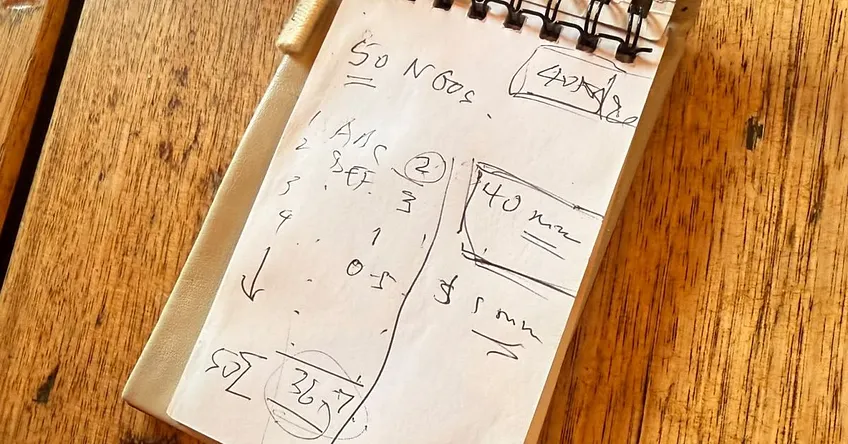
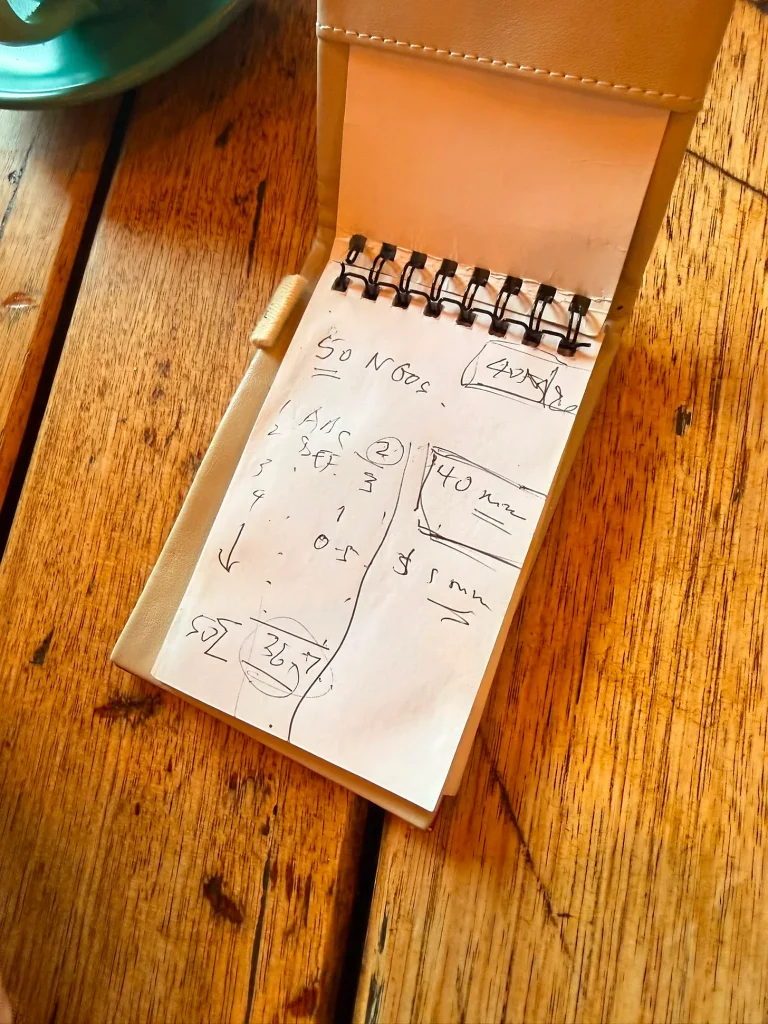
    2. Time is the one ruler of us all, and no dollars can be exchanged to get it back. As we were talking about legacy, he shared the simplicity of his end game: a list of 50 NGOs, with an allocation for each from his estate.

      NGO = Non-Government Organisation, usually a Not-for-Profit run to address social, environmental, human rights and similar challenges at local, national, or international levels.
    Notepad

    50 NGOs?!

    Yeah, he knows 50. I mean I’d wager he knows at least a thousand considering he’s done 850 projects in 77 countries.

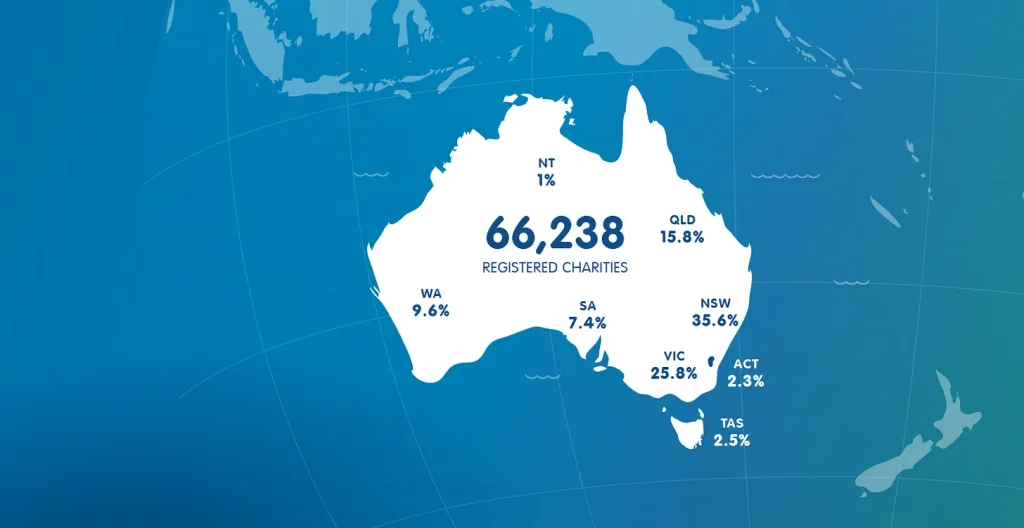
    Me, personally? I could get to 10 with a wee bit of effort, and you can always cheat and go look at the Australian Charities and Not-for-profit register; would you believe we have 66,238 in Australia?

    Charities

    So imagine my surprise when we were catching up on work over the last decade, and he was talking about his wealth managers badgering him to put money into shares, him wanting values-aligned investing and them offering up some index funds.

    I mentioned being a member of the Responsible Investment Association Australasia (RIAA) for a few years, and my own dismay that when the finance industry talks ‘responsible investing’, they generally mean screening out a list of things you don’t, and then putting your money in an index fund that tracks those companies.

    The rub with this is, if they are simply selling out of one planet- and people-damaging stock, it means that’s getting bought elsewhere, so it’s all a bit shuffling deck chairs on the Titanic if you ask me.

    Then he blindsided me;

    “Ahh Phil.. what is impact investing?”

    And there it was – stark and obtuse, hanging in the air.

    I’ve literally spent half a decade listening to a small fraction of the financial industry clamour that “if only we measured more, if only we could prove more, if only we had methodologies to assess against the Sustainable Development Goals” and on and on, we could change the world.

    Whilst the rest of the industry simply took people’s money, pushed it into the most valuable stocks – like oil and gas when a war is on – and sat on their hands claiming they were obligated to work in their clients’ best interests, whilst taking a juicy percentage.

    And this man, a bastion of creating impact at scale, hadn’t even heard of the term.

    He was simply too focused, and had too much conviction, to bother slowing down enough to be labelled.

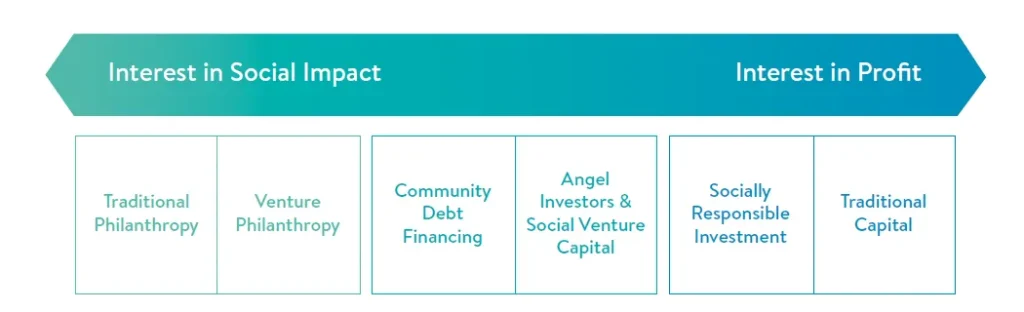
    And let me be clear, ‘impact investing’ and other relevant labels have a place:

    Philanthropy spectrum

    They each can play roles in often complicated financial engineering, though they might not be as important as simply doing something.

    For example, last Thursday morning, a guy stood up in a room of 60 business owners, pointed at a man who leads a charity that builds schools, hospitals and community shelters for orphans in Vietnam, Philippines and Papua New Guinea, and declared loudly “We’ve agreed to give 2.5% of our annual profit to your charity”.

    That kind of thing really fires up my bias to action.


    You don’t need to buy someone a helicopter

    In Freemasonry, there is the idea of “Pocket, heart and hand.”

    You can give from your wallet, contributing to charity.

    You can give from your heart, with empathy, supporting someone in a tough time.

    And you can get stuck in with your hands, physically helping out.

    So if you’re wondering what impact you can have in life, ‘pocket, heart and hand’ is a useful way to consider the 3rd question I asked when we began;

    1. How do we align?
    2. Who are we going to be?
    3. How do we get it done?

    I wonder what you’d discover about who you want to be if you came up with your own list of 5 NGO’s that inspired you.

    And if you share the leadership of a business, how would things change if you had the conviction and focus to get aligned on that, and then agreed to get it done?


    Thank you for reading! I appreciate you – please click the heart and let me know you’re there!

    Whenever you’re ready, here are three 3 ways to deepen your conviction and focus;

    1. Consider the case studies of how 4 other businesses chose to take on the world
    2. Study the framework that enables wealth to create impact over the long term
    3. Reply to this or give me a call on +61 402 017 700, and we can discuss what you’re aiming for and how to make it happen.

  • The Questions That Shape Better Strategy

    The Questions That Shape Better Strategy

    “We recently completed a strategy project with Philip. He’s more persistent than most, and he facilitates really well. That’s the key. He understood what we needed to do and helped us get there.” – Stephen Moulton, Chairman & Director, Danaher Moulton


    Opportunity

    The firm has a clear ambition: Be the go-to firm for private clients, scale significantly and give good lawyers an alternative to the grind of the top tier.

    The partners knew the challenges and discussed them regularly – but the same conversations kept coming back around.


    Strategy

    They didn’t need another strategy document. So we didn’t build one.

    I interviewed the equity partners, CEO and key team members individually.

    What people say one-on-one is different from what gets said at the partner table.

    That became a single brief of what was actually going on: where value was created, where it quietly leaked, and which decisions had been sitting unresolved.

    Then the workshops, with one rule on the wall. We are not building a plan. We are defining non-negotiables, choosing what we tolerate, and making a small number of decisions.


    Action

    The sessions were built to force choices, not conversations.

    What is actually non-negotiable? If everything is non-negotiable, nothing is.

    Every firm carries friction. Is ours by design or by default?

    For each source of leakage: accept or eliminate?

    And the question that cuts through politeness in any partnership: if nothing changed in 12 months, are you comfortable with that?

    From there, a monthly Sounding Board agenda to open with actions completed, so progress is visible and the same ground doesn’t get re-litigated.


    Outcome

    The partners went from circling to committed.

    Non-negotiables written down and kept to a handful – a list of seven is a wish list.

    Standards for clients and capacity with timeframes attached.

    Key relationships to spread across the firm rather than resting on one person.


    Six months later

    Sharing breakfast with one of the partners, he gave me a quick update that they had more focus and structure, less friction, more money, and in short, were getting it done.

    Big tick ✅

    Q: What are your non-negotiables? And if nothing changed in 12 months, are you comfortable with that?


    P.S. Whenever you’re ready to sharpen your own focus, here are 3 things that will help;

    1. Compare your situation to 3 ways other businesses tackled strategy, capital and legacy.
    2. Consider the questions that protect the wealth of private business owners.
    3. Reply to this or call +61 402 017 700, and we can discuss what you’re aiming for and how to make it happen.
  • Useful Friction

    Useful Friction

    “We know we need to, but…”

    It sure is a broad statement, and this past year ‘we need to’ for my clients has ranged from getting partners aligned, agreeing to standards and enforcing them, gaining significantly better credit terms, walking away from investors who didn’t share values, admitting a son wasn’t ready to take over, getting honest with a father, walking away from some serious revenue for the sake of sanity… the list goes on.

    The ‘but’ in all this is the amount of friction that stopped these smart, hard-working people from doing what was necessary, sometimes for years, and in most cases, we got through it in two half days with some diligent research and reflection in between.

    The main cause of this friction is the ‘human doing’ rather than the ‘human being’ approach.

    Every business owner I’ve worked with already has talented, reliable subject-matter experts around them, and they’ve got folders full of procedures, presentations, cash flows, and outdated strategy documents.

    More recently, I’m even receiving extremely detailed 20+ page Claude outputs that will substantiate just about anything – the methodology isn’t the problem – leaders have more than they can read.

    These are useful for painting the ‘where are we’ picture; though a layer deeper, ‘why are we here’ is a better question, and taking the time to sit and listen enables both a pause and an opportunity to align the people these major choices will impact.

    And let’s face it, if you own the place, you can make whatever you want a priority, and move money around to fund whatever you like, so the idea that ‘it isn’t in the budget’ is rarely a real reason for you, though a great stick to use on subordinates when you don’t want them to change direction at a moment’s notice.

    This is a powerful thing to reckon with, because it means if you choose to prioritise things you say you need to do, time (focus) and resources (money) are excellent ways to eliminate the friction that’s getting in your way!

    And with focused time, you can achieve genuinely graceful outcomes that are owned by those in the room; those speaking realise they share common ground because they get honest about things that may have been unspoken for years, and sometimes decades – it’s freeing.

    These are four questions I put to a family recently;

    • Do we want to grow (or sell)
    • Who is best to lead that?
    • Do they have the skills to meet the challenges of today’s environment?
    • If not, should we support them with external talent?

    Useful, in context, though the real value is eliminating the friction of ‘but’.

    Q. What’s it going to take for you to stop knowing what you need and start doing?

  • Are you missing your mark?

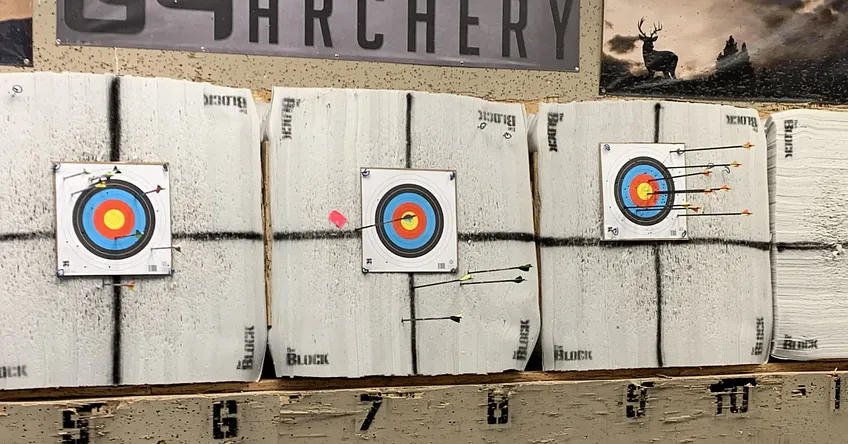
    Are you missing your mark?

    A strategy session, a sales meeting and a startup pitch, all in the last week.

    Sinning

    “The feedback was great”

    I was in the room, and most people were confused.

    “Everyone loved it”

    Yet no one bought anything.

    “48 people didn’t respond, 2 listened, and 1 was curious”

    That’s not product-market fit.

    Each was run by a known industry leader.

    Their stagecraft wasn’t in question, but their results?

    They sucked.

    The first was trying to educate about a new concept, inspire people about a possibility, and extract useful data, all in a short time frame.

    The second spent a lot of time making people feel good, and forgot to help them make a buying decision.

    The third wants to use other people’s money to make their dream a reality.

    Except people don’t back dreams; they back specific, believable plans that answer the fundamentals: ‘how much do you want, what will you do with it, and when do I get it back?’

    They sinned.

    Biblically, that means ‘to miss the mark’.

    And the best way to hit a target is to focus.

    Over coffee, I helped the first gent clarify his goal and break his session down into relevant parts he could do in an hour.

    • This is why we are here today
    • Here’s what I’ve observed
    • These are the 4 questions we want your input on
    • Break into teams, elect a scribe, start talking
    • Rotate through the 4 questions

    For the second, I introduced the client to a model I’ve been using for over a decade.

    Think of five boxes a person must tick before they buy.

    • Have they noticed things have changed over time?
    • Do they recognise they need or want this new or better way?
    • What options do they have to get it?
    • What concerns do they have about getting it?
    • What happens once they commit?

    Skip any box, and people don’t buy.

    The third requires turning a dream into 6 slides.

    Not ‘when we’ve got 10% of the market’ or hockey-stick modelling.

    Who is going to do it, what are they going to do, and what will it cost to get to a point where it’s self-sustaining?

    Then we identified who in our networks would back the proposition, on the basis that it delivers significant revenue for them and a defensible strategic advantage.

    After that, it’s down to market timing, liquidity, investment committees and all the other fun things that go with landing an investment deal.

    Don’t sin.

    It’s expensive.

    Focus. Get to the point.

    Q. Where are you currently overwhelming your audience, skipping boxes, or asking people to back something vague?


    Thank you for reading – Speak to you next Friday.

  • Galileo and Peter Costello Walk Into a Bar…

    Galileo and Peter Costello Walk Into a Bar…

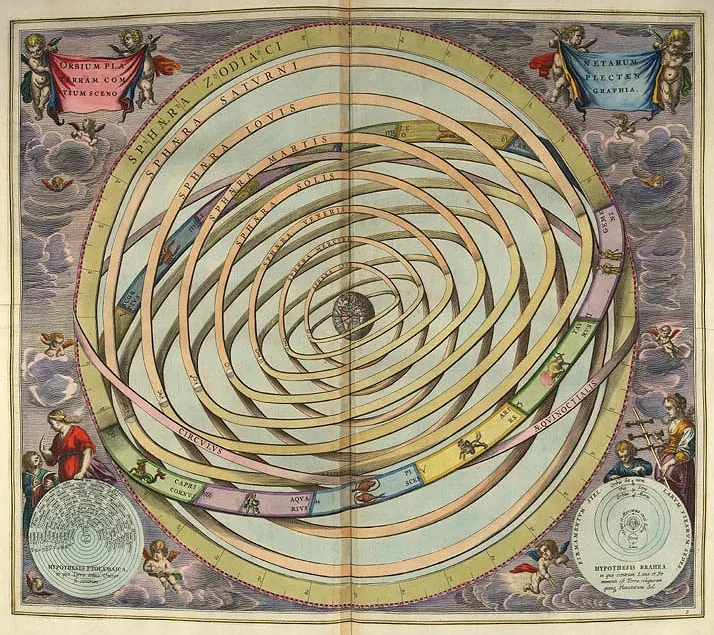
    Remember when the Earth was the centre of the universe, and we all lived inside interwoven crystalline spheres?

    Ptolemaic
    Ptolemaic orbits, from “Harmonia Macrocosmica” by Andreas Cellarius, 1661.

    This was the geocentric era of humanity, upended by ‘rebels’ like Copernicus and Galileo in the 16th and 17th centuries.

    “Hang on, no! The sun is at the centre of our solar system. Look, we can calculate it using geometry and mathematics, we’re spinning around it, not it around us.” – something like that.

    And lo, give or take a few cries of heresy, they shifted our collective belief in the Universe and the very sky above us.

    Which brings me to Peter Costello.

    Because this past week has been full of individuals explaining to me their position at the centre of a universe, and everything that orbited around them.

    I’ve been involved with;

    • Cross-referencing housing growth corridors with national state planning legislation
    • Meeting the Chair of the Australian Institute of Business Brokers
    • Investigating medtech fund structures

    And Mr Costello was sharing his take with an entire room in Kooyong.

    Simple truths about spending less than you earn, not restricting startups and the lack of indexing top earning bracket taxation to inflation.

    Then, in the Q&A, Mr Costello was asked, “How can you do any of this if you don’t get elected?” That was the proverbial pin in the bubble.

    In the housing growth corridors, it was the entrenched older homeowners’ fierce objections to planning permits that would increase density.

    And the medtech fund is pushing up against alternatives with better yields and lower risk.

    With my clients, we took a step back from the detail they were focused on, got serious about the reality of their situation, and then made a plan we could act on.

    Without that awareness, applying more pressure will rarely get you a good result.

    Q. What external forces are putting pressure on your business?

    If you can answer that well, you might be entering your own Age of Enlightenment!


    Could you please click the heart button to let me know you enjoyed reading this?

    Have a good week, and I’ll speak to you again next Friday.

  • How to sell a business badly

    How to sell a business badly

    At 21, I walked alone into the management office of Pacific Werribee shopping centre.

    Dad was unresponsive in hospital, Mum terrified at his side.

    I asked if they could please pause the $10,000-a-month rental agreement we had for the corner store next to the GP Clinic whilst we figured things out.

    They gave us 1 month.

    That was a crap year, and a very bad way to begin selling a family business.

    22 years later, and it’s happening again, all around me.

    • Last Thursday, I was in Adeney Private in Kew with an 82-year-old friend.
    • On Tuesday, a 68-year-old colleague was taken to emergency after a heart attack.
    • A fortnight before that, a 48-year-old, same thing.

    It’s feeling like a weird episode of Oprah “you get a myocardial infarction (MI) – you get a myocardial infarction (MI) – everyone gets a …”.

    The standout moment was the week in between, when a 62-year-old looked me straight in the eye and said unflinchingly, ‘succession? I don’t have to worry about that for another 15 years’.

    He’s a fit, hardy bastard and his dad lived to over 100, so I believe him, and I’m sitting down next week with a relatively notorious leader of an industry that’s decided at 62 he wants to found a startup and go large on the disruption game.

    Health is a spectrum.

    So is business value.

    And it takes years to prepare and then sell a business well.

    And if you own a business worth protecting, and you’re in your 60s or beyond..


    HOW DELUSIONAL ARE YOU

    That’s my question.

    If you have a quick squiz at the Australian Institute of Health and Welfare and the Heart Research Institute, you’ll see men are expected to live in full health until 70.

    After that, we’re told we will spend half of our remaining life with some level of disability, including 3.5 years where it really sucks as you get towards the end.

    And every 9 minutes, an Australian is hospitalised for a heart attack, that’s 57,000 a year, mostly men.

    The answer is obvious, and I’m not your wife or your kids, so no need to guilt-trip you; exercise, sleep, cut out the booze and sugar, eat well – you know the drill.


    SHOW ME THE MONEY

    As you read this, I’ve got friends rolling up conveyancing businesses and insurance brokers at a national scale, and colleagues who run PE and M&A firms gagging to buy accountancies and small legal practices as people keel over and they can roll their data in.

    I’ve even known a printer that’s been buying up other small print shops for their rolodexes for a decade and redirecting their phone numbers, so he now manages corporate printing for most of the state.

    Those people aren’t paying premiums for businesses like yours.

    They are waiting until you have a critical health event and need to do a fire sale.

    At which point your life’s work and your legacy aren’t worth that much.

    And this is where it’s good to ask the question again in a different context.


    HOW DELUSIONAL ARE YOU

    .. about your business value?

    If your strategy relies on you being immortal, that’s a problem.

    And if your business isn’t set up to demonstrate your value to a purchaser, that’s starting behind the 8-ball.

    It won’t be sorted in 6 months either.

    Build your golden EJECT button.

    Start now.

    You don’t have to work it out alone.

  • 5 years from now – what if you got rid of them all?

    5 years from now – what if you got rid of them all?

    The financial planner that won’t tell you to pull a million dollars out (or ten!) and start your own version of a community bank because they’ll lose the clip on your assets under management.

    The accountant who ensures you comply, but has no better vision for the world.

    The wealth manager that sticks absolutely to a balanced portfolio of shares, property, bonds, alternatives and cash, and makes sure you’re exposed to the truly lucrative things like oil, gas and weapons.

    Get rid of them all.

    You want to know how to ensure the continuity of your family?

    To have ‘succession’ without bringing up trust fund babies?

    Take your position as an affluent member of the richest, most advanced society humanity has ever known, and improve the world.

    Start local. Work out in concentric rings based on your appetite.

    Find out what matters to your kids, then make it happen.

    And if you’re advised to ‘tick this box so we can easily set up a sub-fund for you’, scrutinise the bag of capital you’re being rolled into.

    If you don’t pay attention, you might end up skimming interest from fossil-fuelled bomb factories and calling it philanthropy on the golf course.

    The ethics of our actions and choices are the important bit here – scale happens over time – start small by teaching your kids about the world through Kiva and micro-finance loans.

    And if the idea of being honest with your kids about how much money is really in the bank scares you and you want to prep them for generational leadership, start them off by managing grants through a Private Ancillary Fund (PAF).

    The kicker is, if you go with the community bank option I began with, you get all your capital back and keep reinvesting it. I was first introduced to the idea in Denver, Colorado speaking with Dr Stephanie Gripne of the Impact Finance Centre.

    Imagine giving the local library a ten-year mortgage at market rates rather than letting a hedge fund extort them?

    Bryan Goh and the Tsao family are excellent recent examples, and I paraphrase though essentially “we’re rich enough – let’s use our money well”.

    And you can go hard on devising your Theory of Change and Impact Methodology, Duke University and IIX Global have great courses on this that I’ve done.

    Or you can simply look in the mirror and ask;

    Am I happy with the impact I’m having?

    When you wake up tomorrow, and you look, pause for a few breaths, really look – what are your eyes telling you?

    Do your riches make a difference to anything worthy of being called a legacy?

  • Invert to Win

    Invert to Win

    11 years ago I stood on the roof of a rental car, looking at a $200M private airport build that had 19 months to go from dirt to done.

    Invert to win

    When everyone asked “How many trucks do we need to deliver 55,000 cubic metres of concrete?”

    The team said “Why deliver it at all?”

    That’s inversion.

    Can you guess how many concrete mixing trucks that would be normally?

    Roughly 5,000 trips to move that volume.

    No time for that noise.

    Instead of batch mixing and delivering to the site, my client provided Wagners with an on-site continuous mixing plant.

    Rock aggregates and binder were mixed in situ and directly formed into everything relevant (the kilometres of curbing you need for every piece of road is mind-bending).


    “What assumption is everyone else trapped inside?”

    Clients in the Riverina didn’t want to be at the mercy of Coles and Woolworths.

    Orchards

    They set about covering, irrigating, and using the best science to grow the best product.

    Then sent it to Asia at a premium.

    They said no to being stuck in the middle.

    What about getting your margins smashed with freight costs, when you and your close farming families have a need to gin (process) your cotton at scale?

    Cotton

    I’m talking 20-30,000 giant round modules of it.

    Well, you’d build your own gin, like Southern Cotton did, right?

    Ginnery
    Ginnery

    That’s what winners do.

    They aren’t stuck under someone’s boot.

    They build paths to markets that value them.


    Where is “business as usual” trapping you?

    You probably don’t need to build an airport, an orchard or a cotton gin.

    But you do need to stop accepting the boot.

    If you’re ready for change, get in touch.